The waste problem in our environment is becoming increasingly critical. Every day, the amount of waste continues to increase, while waste management methods are still not optimal. A lot of waste ends up in landfills, rivers, lakes, and even the ocean, causing unpleasant odors, floods, and soil and water pollution.
Poorly managed organic waste produces methane gas, which is harmful to health and accelerates global climate change. On the other hand, inorganic waste like plastic takes hundreds of years to decompose and continues to accumulate in nature.
This condition shows that real awareness and action are urgently needed to manage waste. If left unchecked, the impact will be increasingly significant for the environment and our lives.
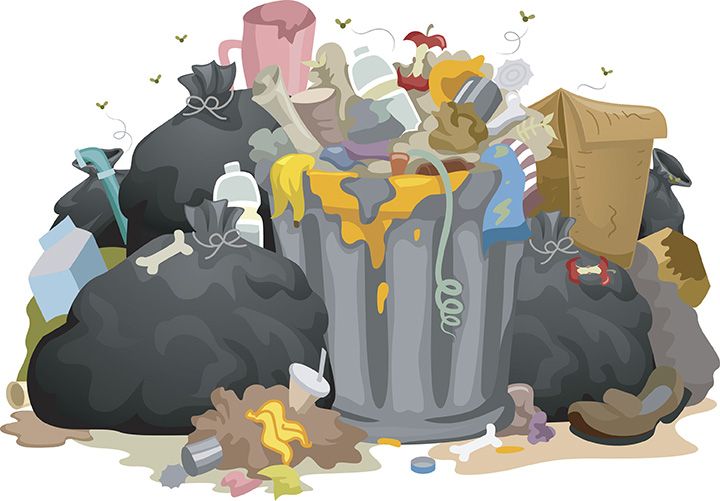
We provide educational materials about waste, organic matter, and environmental management. Press the 'Education' button to view the complete educational materials.
EducationRecycled waste
0
million tons
Active waste bank points
0
Unit
CO² emissions successfully avoided
0
millions tons
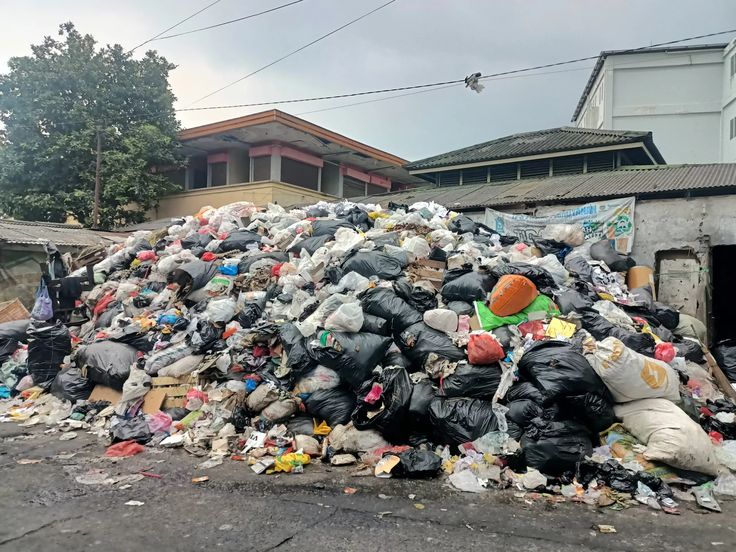
The waste problem in Indonesia is becoming increasingly concerning every day. Population growth, high consumption behavior, and a lack of waste sorting are causing a drastic increase in waste volume. Many areas are reporting that their landfills are almost full or even exceeding capacity.
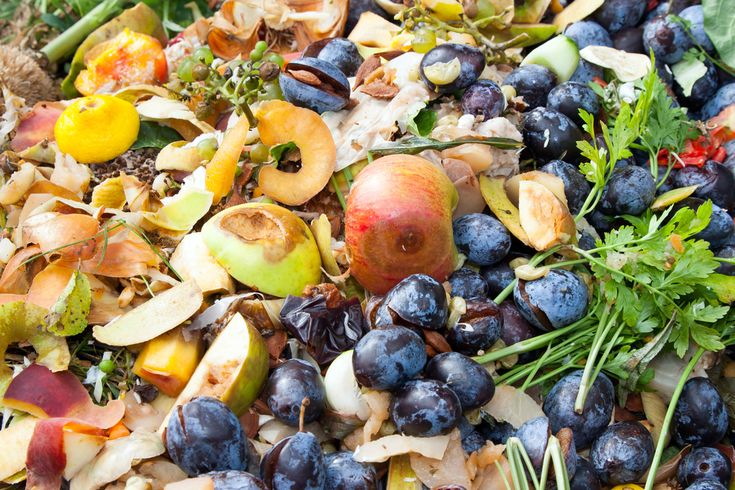
Organic waste is the easiest type of waste to manage and provides direct benefits when processed correctly.
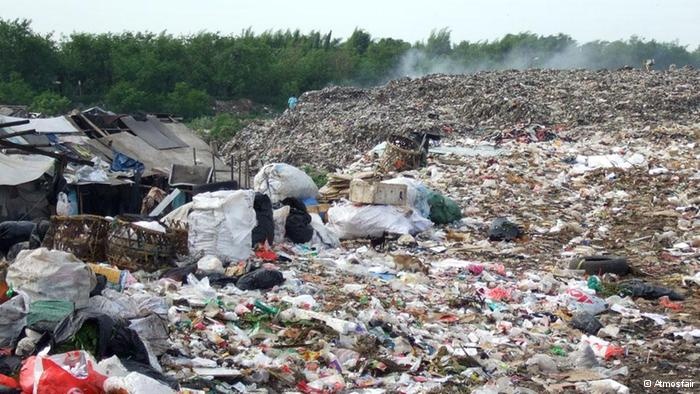
Many people are still unaware that waste significantly contributes to climate change. When organic waste accumulates in landfills without oxygen, the decomposition process produces methane gas—a greenhouse gas 28 times more potent than CO₂.